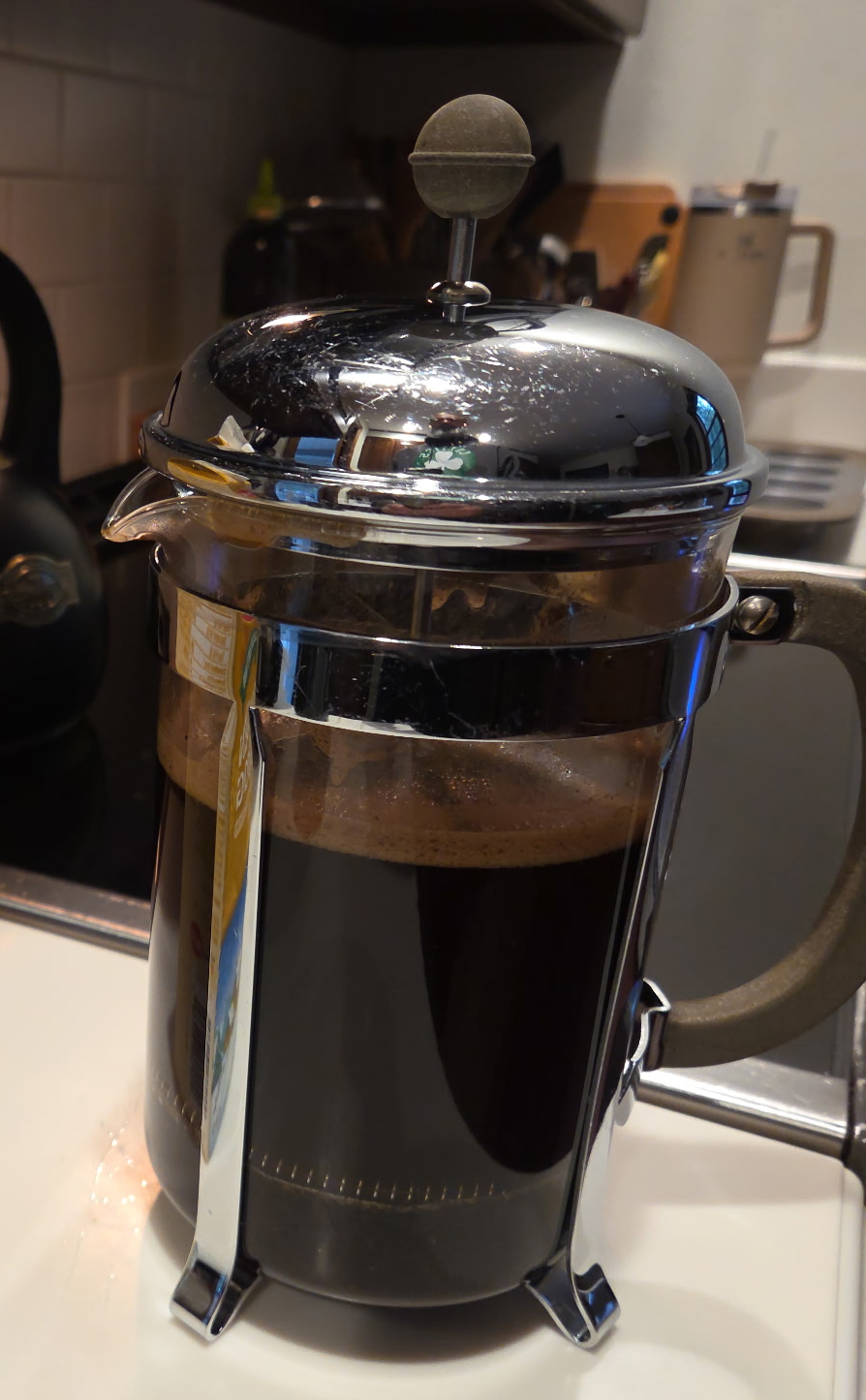
Ratio, grind, water temperature and time. How to set the four variables that decide your cup, adjust them by roast level, and diagnose a brew that tastes wrong.
Coffee Education
Good coffee is mostly a measurement problem. Four variables decide almost everything in the cup: ratio, grind, water temperature, and time. Get those repeatable and you can brew the same good cup every morning instead of a different one each day. Here is how to lock them down, and how to adjust them for each BoneFrog roast.
Most people who think they are bad at making coffee are not bad at making coffee. They are making it slightly differently every time, which means they never learn what to change. Precision is not fussiness. It is the only way to find out what you actually like.
BoneFrog was founded by Tim Cruickshank after a career in Naval Special Warfare, and the habit that carried over is not the theatre of it. It is the discipline of writing down what you did so you can repeat it or fix it. That is all this guide is.
New to the vocabulary? Start with coffee terms explained, our plain-language glossary of roast levels, grind sizes, acidity, and decaf, then come back here for the method.
What You Actually Need
Three items do the heavy lifting. Everything else is preference.
A Scale
Accurate to the gram. Scoops are wildly inconsistent because grind size changes how much coffee fits in one. This is the single highest-value purchase for cup consistency.
A Thermometer or Variable Kettle
Water off a rolling boil is too hot and will scorch the grounds. You need to know your number, not guess it.
A Timer
Your phone is fine. Start it the moment water touches coffee, not when you finish pouring.
Clean the gear. Coffee oils go rancid and stale oil in a brewer or grinder will taint everything you make in it, no matter how good the beans are.
The Four Numbers
Variable
Target
What it controls
Coffee to water
1:15 to 1:17 by weight
Strength. Start at 1:16 and adjust to taste.
Water temperature
195 to 205°F
Extraction rate. Too hot scorches, too cool under-extracts.
Grind size
Matched to method
Surface area, and therefore how fast extraction happens.
Contact time
2 to 6 min by method
How much gets pulled out of the grounds.
Change one at a time. If you adjust grind and ratio together and the cup improves, you have learned nothing about which one did it. Our guide to grind types covers matching grind to brewer.
Adjusting for Roast Level
Roast level changes the bean's physical structure, so the same settings will not serve a light and a dark roast equally. Darker beans are more porous and give up their solubles faster.
Roast
Grind
Water
Time
Light
Finer
200 to 205°F
4 to 6 min
Medium
Medium
195 to 205°F
3 to 4 min
Dark
Coarser
190 to 200°F
2 to 3 min
A fuller breakdown of what each roast level does to the same bean is in which roast is best.
Bold and smooth, with dark chocolate depth. Go slightly coarser than you would expect and give it a longer steep. The coarser grind slows extraction so the chocolate develops without the bitterness a dark roast can pick up. French press suits it well.
Medium-dark with nutty character. Medium grind, three to four minutes. This one rewards accurate timing more than most, because the window between developed and harsh is narrower.
Organically grown and naturally low in acidity. Pour-over is the method that flatters it. The paper filter and controlled pour give a clean, transparent cup, and the even extraction keeps a low-acid coffee from tasting flat.
The Method, Step by Step
1. Grind fresh
Grind immediately before brewing. Ground coffee stales fast because the increased surface area accelerates oxidation. Coarse for French press, medium for drip, fine for espresso.
2. Bloom
Pour roughly twice the weight of water as coffee and wait 30 to 45 seconds. Using 30g of coffee, that is 60g of water. This releases trapped carbon dioxide so the main pour extracts evenly. A visible rise and foam means the coffee is fresh. Little or no bloom means it is not.
3. Pour and extract
Pour slowly in concentric circles, keeping the flow steady. Aim for your target total time. Consistency of pour matters more than any particular technique.
Two details worth getting right. Use filtered water, because coffee is over 98 percent water and whatever is in yours ends up in the cup. And let coffee cool to roughly 140 to 160°F before judging it. Straight off the brewer it is too hot to taste properly, which is why coffee often seems to improve after a few minutes.
Troubleshooting
Symptom
Cause
Fix
Bitter, drying, harsh
Over-extracted
Coarsen the grind or shorten the brew
Sour, thin, salty
Under-extracted
Finer grind or longer contact time
Weak but not sour
Ratio too low
More coffee, same water
Different every time
Unmeasured variables
Weigh the dose and time the brew
Sour and bitter are opposite problems and are easy to confuse. Sour is sharp and makes you wince at the front of the sip. Bitter lingers and dries the back of the mouth. If you are unsure whether what you are tasting is extraction or the coffee itself, acidity versus extraction is worth reading.
Start With Good Beans
No method rescues stale coffee. BoneFrog is small-batch roasted specialty-grade Arabica, and a portion of every purchase supports Naval Special Warfare Foundations.
The best coffee to water ratio is between 1:15 and 1:17 by weight, which means 1 gram of coffee for every 15 to 17 grams of water. Start at 1:16, or roughly 30 grams of coffee to 480 grams of water, then use more coffee for a stronger cup and more water for a lighter one. Measuring by weight instead of by scoop is what makes the result repeatable.
What temperature should water be for brewing coffee?
Water for brewing coffee should be between 195 and 205 degrees Fahrenheit. Water straight off a rolling boil is too hot and will scorch the grounds, producing bitterness, so let a boiled kettle rest for about 30 seconds to bring it into range. Darker roasts do better at the lower end, around 190 to 200 degrees.
Why does my coffee taste bitter?
Coffee tastes bitter because it has been over-extracted, meaning too much has been pulled out of the grounds. The usual causes are too fine a grind, too long a brew time, or water that is too hot. Coarsen the grind first, since that is the biggest lever, then shorten the brew time if it is still harsh.
What is blooming coffee?
Blooming coffee means wetting the grounds with about twice their weight in water and waiting 30 to 45 seconds before the main pour. Fresh coffee holds carbon dioxide from roasting, and that gas pushes water away from the grounds and causes uneven extraction, so blooming releases it first. It matters most for pour-over and drip, and a strong visible bloom is also a good freshness test.
Should I grind coffee right before brewing?
Yes, you should grind coffee right before brewing. Grinding dramatically increases surface area, which accelerates oxidation and the loss of aromatic compounds, so whole beans stay fresh for weeks while ground coffee noticeably fades within days. If you only improve one thing about your routine, grinding fresh is usually the change that does most for the cup.
Because our gourmet coffee is roasted fresh and is a perishable food product, we cannot accept returns or refunds on any coffee purchases, and all sales are final.
Shipping Information
Once you order, shipping typically takes 3 – 7 business days, depending on where you live.
Customer Service
We’re real people, and we’re happy to help.
Chat or email us at info@bonefrog-coffee.com
I have found all of your coffees including Sons of Valor to be excellent. I am now ordering three different roast at a time. Judging each one individually.
Sons of Valor is very smooth. It is in the running to be my favorite. Thanks Tim for a great cup of coffee & supporting your fellow team members and families.